
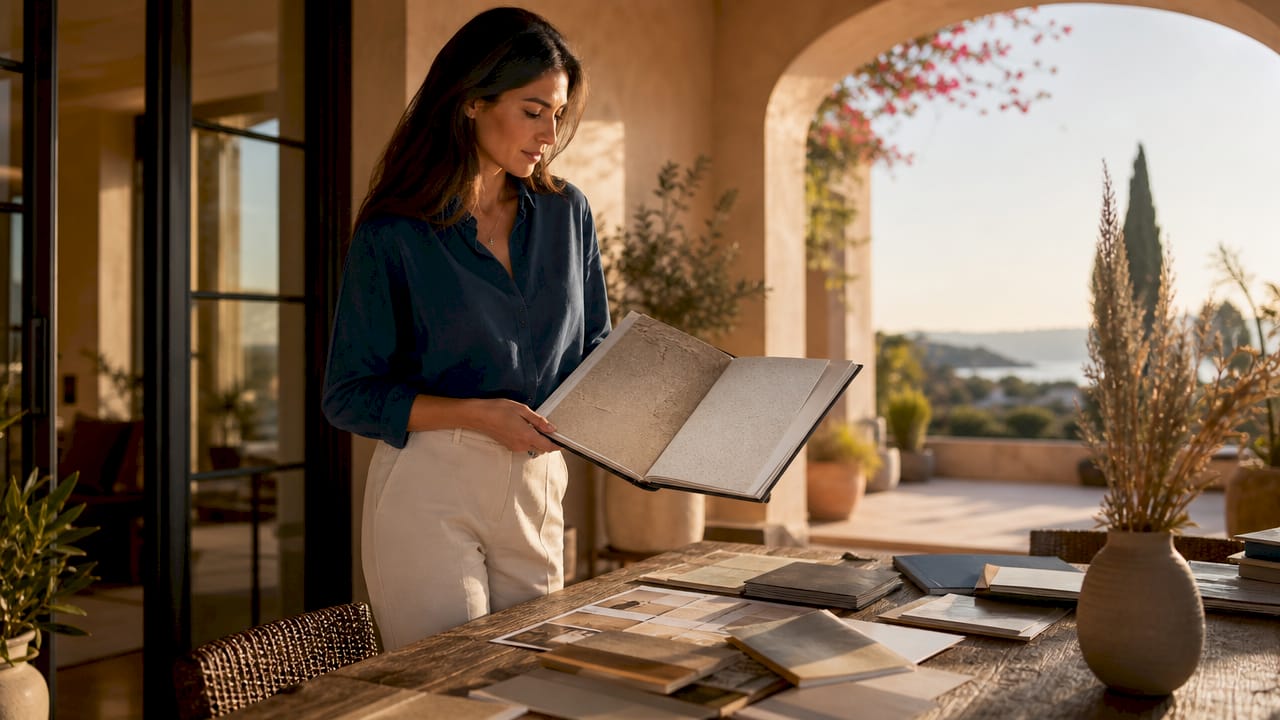
The latest interior design trends define 2026 as the year homes became genuinely sensory. Tactile materials, warm earthy colour palettes, and softened architectural forms are replacing the stark minimalism that dominated the early 2020s. Homeowners are no longer designing for photographs. They are designing for how a room feels underfoot, against the hand, and in the quiet moments of daily life. This guide covers the key shifts in current home decor styles, from sandstone feature walls to curved kitchen islands, so you can make informed choices that last well beyond a single season.
What are the latest interior design trends shaping homes in 2026?
The defining shift in 2026 is a move from visual minimalism to sensory richness. Homeowners are choosing materials you want to touch, colours that feel grounded, and shapes that soften a room rather than divide it. Three forces are driving this: a reaction against cold, clinical interiors; a growing interest in wellness at home; and a renewed appreciation for craftsmanship and natural materials.
Tactile materials and earthy palettes combined create sensory environments that feel personal and enduring rather than staged. That distinction matters. A home that feels lived-in and considered holds its appeal far longer than one that chases a single aesthetic moment. The strongest 2026 pattern is the blend of warmth, layered textures, and functional zoning, a combination that allows easy updating of furniture while maintaining overall harmony.
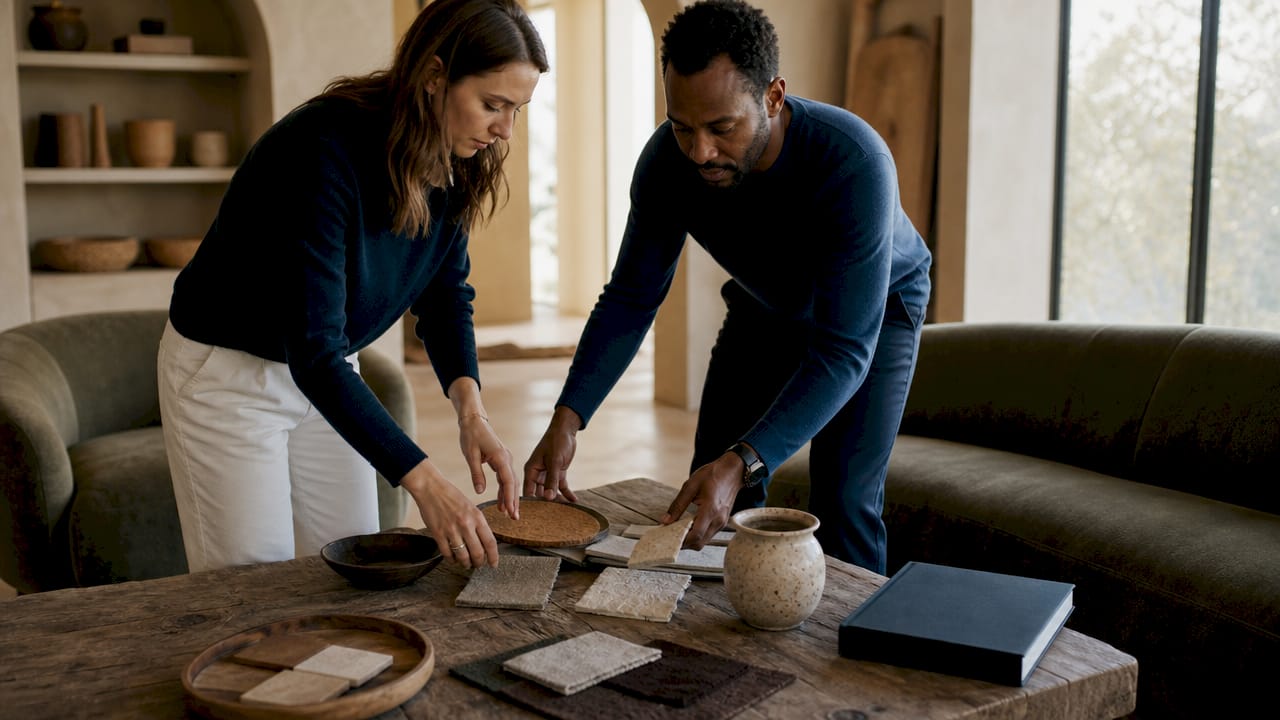
Archie Interiors describes the 2026 aesthetic as a fusion of contemporary Mediterranean style with quiet luxury and lived-in interiors, emphasising natural materials, craftsmanship, and indoor to outdoor continuity. That framing is useful. It tells you this is not a trend built on novelty. It is built on endurance.
What tactile materials and textures are trending in home interiors?
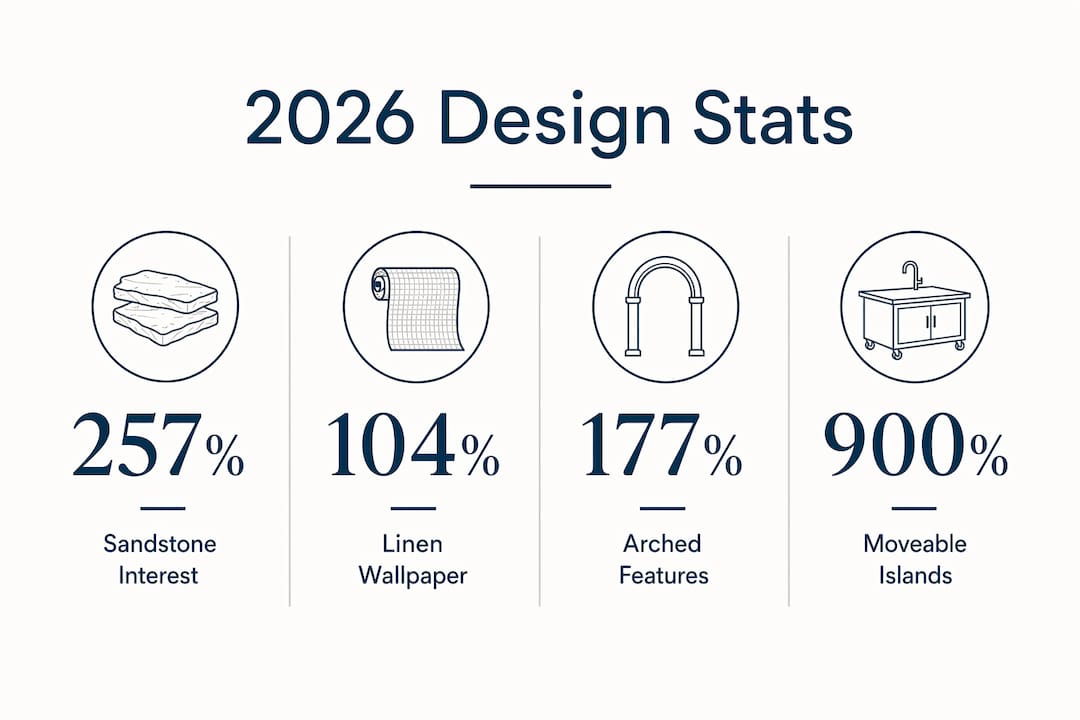
Sensory materials are the foundation of 2026 design. Searches for sandstone increased by 257%, linen wallpaper by 104%, and Venetian plaster by 94% year on year. Those numbers reflect a genuine shift in how homeowners are thinking about surfaces, not just how they look, but how they feel.
Venetian plaster deserves particular attention. Applied correctly, it creates a depth and warmth that paint simply cannot replicate. It catches light differently throughout the day, which means a room changes character from morning to evening without any intervention. Sandstone, whether used as flooring, a splashback, or a feature wall, brings a natural irregularity that feels considered rather than manufactured.
The Shopify 2026 trend insights report highlights linen, bouclé, mohair, velvet, and textured woods as key materials adding depth alongside wall and ceiling treatments. Bouclé in particular has moved from accent chairs into sofas, headboards, and even cabinetry fronts. Seagrass wallpaper is appearing in studies and bedrooms as a quieter alternative to pattern-heavy wallcoverings.
Key ways to introduce tactile materials without a full renovation:
- Apply Venetian plaster to a single chimney breast or alcove wall
- Replace standard roller blinds with linen or woven grass shades
- Swap ceramic splashback tiles for sandstone or travertine alternatives
- Add a bouclé throw or cushion cluster to an existing sofa
- Use seagrass wallpaper in a hallway or reading nook for immediate texture
Pro Tip: Trial a tactile material on one feature surface before committing to a full room. A single Venetian plaster wall costs a fraction of a full replaster and gives you a genuine sense of how the material performs in your specific light conditions.
Which warm earthy colour schemes define contemporary interiors?
The colour story of 2026 is a direct rejection of the cool grey and white palettes that defined the 2010s and early 2020s. Rust has seen search growth of 178%, chocolate brown 153%, mushroom 69%, sage 55%, taupe 50%, and cream 44%. These are not passing fads. They are a collective move toward colours that feel grounded and warm.
The psychological case for these tones is well established. Earthy colours reduce visual noise and create a sense of enclosure that feels protective rather than claustrophobic. Rust and chocolate brown anchor a room. Sage and mushroom lift it without introducing the coldness of grey or the sterility of white. Layering these tones, rather than choosing one, is where the real skill lies.
| Colour | Mood it creates | Best used in |
|---|---|---|
| Rust | Warm, anchoring, bold | Living rooms, dining areas |
| Chocolate brown | Rich, grounded, sophisticated | Studies, bedrooms |
| Mushroom | Soft, neutral, versatile | Hallways, open plan spaces |
| Sage | Calm, fresh, natural | Kitchens, bathrooms |
| Taupe | Understated, elegant, timeless | Bedrooms, reception rooms |
| Cream | Light, warm, approachable | Any room as a base tone |
The most effective approach is to choose one anchor tone, one mid tone, and one near-neutral, then let tactile materials carry the variation. A chocolate brown sofa, mushroom walls, and cream linen curtains create a layered palette that feels complete without being busy.
How are curved forms and architectural details influencing design?
Curved design features are transitioning from decorative to architectural, influencing lighting, sightlines, and even maintenance requirements. This is a meaningful distinction. A scalloped tile splashback is decorative. An arched kitchen pantry or a curved island is structural, and it changes how a room functions as well as how it looks.
Searches for scalloped tile tripled in 2026. Arched range hoods rose by 177%. Curved kitchen islands are becoming focal points rather than functional afterthoughts. The reason curves work so well in kitchens is practical as well as aesthetic. Rounded corners reduce the number of sharp edges, which matters in high-traffic family spaces. They also soften the visual weight of large cabinetry runs.
Curved forms also affect light. A curved wall or arched opening creates a gradual transition between spaces rather than a hard stop. That transition makes rooms feel larger and more connected, which is particularly valuable in properties where open concept living trends are already in play.
Practical ways to introduce curves into an existing home:
- Fit an arched mirror in a hallway or bathroom
- Choose a round or oval dining table over a rectangular one
- Opt for scalloped tiles as a kitchen or bathroom splashback
- Commission a curved kitchen island if a full refit is planned
- Use arched alcove shelving in a living room or study
Pro Tip: When specifying curved tiles, ask your tiler to lay a dry run before grouting. Scalloped and wave tiles require precise alignment, and a dry run prevents costly repositioning once adhesive is applied.
Why is functional zoning a major trend in home design this year?
Homeowners are designing spaces to work harder. Searches for moveable kitchen islands rose ninefold in 2026, and interest in quiet reading alcoves, appliance garages, and walk-in pantries is growing steadily. The underlying driver is a desire for spaces that adapt to daily life rather than dictating it.
Flexible zoning does not require a large home. It requires clear thinking about how each area is used at different times of day. A kitchen peninsula that doubles as a breakfast bar and a homework station is a zoning decision. A reading alcove with built-in shelving and a single pendant light is a zoning decision. Neither requires structural work.
The most requested functional features in 2026 are:
- Moveable kitchen islands that can be repositioned for cooking, dining, or entertaining
- Appliance garages that keep worktops clear without hiding appliances entirely
- Walk-in pantries that consolidate food storage and reduce visual clutter in open kitchens
- Quiet reading alcoves with built-in seating and task lighting
- Dedicated wellness rooms or home gym spaces separated from main living areas
| Feature | Primary benefit | Suitable for |
|---|---|---|
| Moveable kitchen island | Flexibility for different uses | Medium to large kitchens |
| Appliance garage | Clutter-free worktops | Any kitchen size |
| Walk-in pantry | Consolidated storage | Open plan kitchens |
| Reading alcove | Dedicated quiet space | Living rooms, bedrooms |
| Wellness room | Separation of rest and activity | Larger properties |
Homeowners favour flexible space usage to enhance daily living comfort, and this signals a trend-proof design principle that prioritises wellness and practicality. That is the key point. Zoning is not a trend in the way that a colour is a trend. It is a principle that outlasts any single aesthetic cycle.
How do sustainability and wellness integrate into current design trends?
Sustainability is no longer a separate consideration from aesthetics. Search interest has grown nearly 18 times for solar energy and tripled for repurposed materials, blended with interior aesthetics. Homeowners are choosing materials that are both beautiful and responsible, and the two goals are increasingly compatible.
Biophilic design, which connects indoor spaces to natural elements, has seen searches rise by 112%. Wellness rooms have grown by 164%. These figures reflect a broader shift in how homeowners define a well-designed home. It is no longer purely visual. It includes air quality, natural light, acoustic comfort, and the presence of living plants or natural materials.
Key sustainability and wellness features gaining traction in 2026:
- Repurposed timber for flooring, shelving, and cabinetry
- Natural stone and clay-based plasters that off-gas minimally
- Indoor planting integrated into shelving and room dividers
- Dedicated wellness rooms with acoustic insulation and natural light
- Solar integration designed to complement rather than disrupt interior aesthetics
The connection between sustainability and the tactile, earthy aesthetic is direct. Sandstone, linen, seagrass, and Venetian plaster are all natural materials with low environmental impact. Choosing them for sensory reasons also happens to be the more responsible choice. That alignment is one reason these trends feel coherent rather than contradictory.
Key takeaways
The strongest 2026 interior design approach combines tactile natural materials, warm earthy colour palettes, and purposeful zoning to create homes that feel personal, adaptable, and genuinely comfortable.
| Point | Details |
|---|---|
| Tactile materials lead | Sandstone, Venetian plaster, and bouclé create sensory depth that paint and flat surfaces cannot match. |
| Earthy colours replace cool neutrals | Rust, chocolate brown, and mushroom are replacing grey and white as the dominant palette. |
| Curves soften architecture | Scalloped tiles, arched openings, and curved islands reduce visual rigidity and improve space flow. |
| Zoning improves daily function | Moveable islands, appliance garages, and reading alcoves make homes adapt to life rather than dictate it. |
| Sustainability aligns with aesthetics | Natural materials chosen for sensory appeal also carry lower environmental impact. |
Why I think most homeowners approach trends in the wrong order
Most people start with a colour or a material and work backwards. They see a rust-coloured sofa, they want it, and they buy it before thinking about whether the room can carry it. The result is a space that feels assembled rather than designed.
The right order is zoning first, then colour, then material. Decide how each space needs to function before you choose anything. A reading alcove with poor acoustic separation from a busy kitchen will never feel like a retreat, regardless of how beautiful the linen wallpaper is. Get the function right, and the aesthetic choices become much easier.
The tactile and earthy trends of 2026 are genuinely well-suited to British homes. Our light is softer and more diffuse than Mediterranean or American light, and warm tones perform better in it than cool ones. Venetian plaster in a north-facing room in Edinburgh will look richer and more interesting than white paint. Sandstone flooring in a London terrace will feel warmer underfoot and visually than polished concrete.
The one pitfall I see repeatedly is over-commitment to curves. A curved island, arched pantry, and scalloped splashback in the same kitchen becomes busy. Choose one curved focal point and let the rest of the room be quieter. Restraint is what separates a well-designed space from one that is simply following a checklist.
— Alex Goldstein
How NXD Family Office supports your home design decisions
For homeowners who want to act on these trends with confidence, the quality of professional guidance makes a measurable difference. Choosing the wrong material for a feature wall or commissioning a curved island that does not suit the room’s proportions are expensive mistakes to correct.
NXD Family Office works with a curated network of interior design specialists who understand both the current aesthetic direction and the practical demands of high-quality residential projects. Whether you are planning a full kitchen refit around curved forms and tactile surfaces, or simply want to introduce a considered earthy palette into an existing space, the team connects you with advisors who have no commercial interest in steering you toward a particular supplier. For clients who treat their home as a lifestyle asset, that independence is the difference between a home that reflects genuine taste and one that reflects a showroom. Speak to NXD Family Office to find the right specialist for your project.
FAQ
What are the key interior design trends for 2026?
The dominant trends are tactile materials such as sandstone and Venetian plaster, warm earthy colour palettes including rust and chocolate brown, curved architectural features, and functional zoning. These reflect a broad shift from minimalism toward comfort-focused, sensory-rich interiors.
Which colours are most popular in home interiors right now?
Rust, chocolate brown, mushroom, sage, taupe, and cream are the leading tones in 2026, with rust seeing the strongest growth. These warm earthy shades are replacing the cool grey and white palettes that dominated the previous decade.
How can I add texture to my home without a full renovation?
Apply Venetian plaster to a single feature wall, replace standard blinds with linen or woven grass alternatives, or introduce bouclé cushions and throws to existing furniture. Tactile materials work well as accents before committing to a full-room application.
Are curved features practical as well as decorative?
Curved design features are transitioning from decorative to semi-permanent architectural elements. Rounded kitchen islands reduce sharp corners in family spaces, arched openings improve light flow between rooms, and scalloped tiles add visual interest without requiring structural changes.
What does biophilic design mean in a home context?
Biophilic design connects indoor spaces to natural elements through living plants, natural materials, and access to daylight. Searches for biophilic design rose 112% in 2026, reflecting growing homeowner interest in spaces that support wellbeing alongside aesthetics.